The Devastation Awaiting U.S. Logistics
As the Iran war and the blockade of the Strait of Hormuz is expected to be halted with a fragile agreement that lays the groundwork for the next conflict, it is important to reflect on the real effects of the global oil shortage - in the US - that occurred prior to the agreement which is planned to be signed on Friday, June 19 in Geneva. We saw delays in oil tankers from the Strait bound for the U.S., specifically California, demonstrating the real shortages of diesel and gasoline that were beginning to set in (1). Furthermore, a leaked memo from vehicle maintenance retailer Autozone stated the company was seeing the largest supply shortage of select oil types in its history, at a 40% decrease in supply, with the expectation to offset lost revenue by raising prices across its array of products (2).
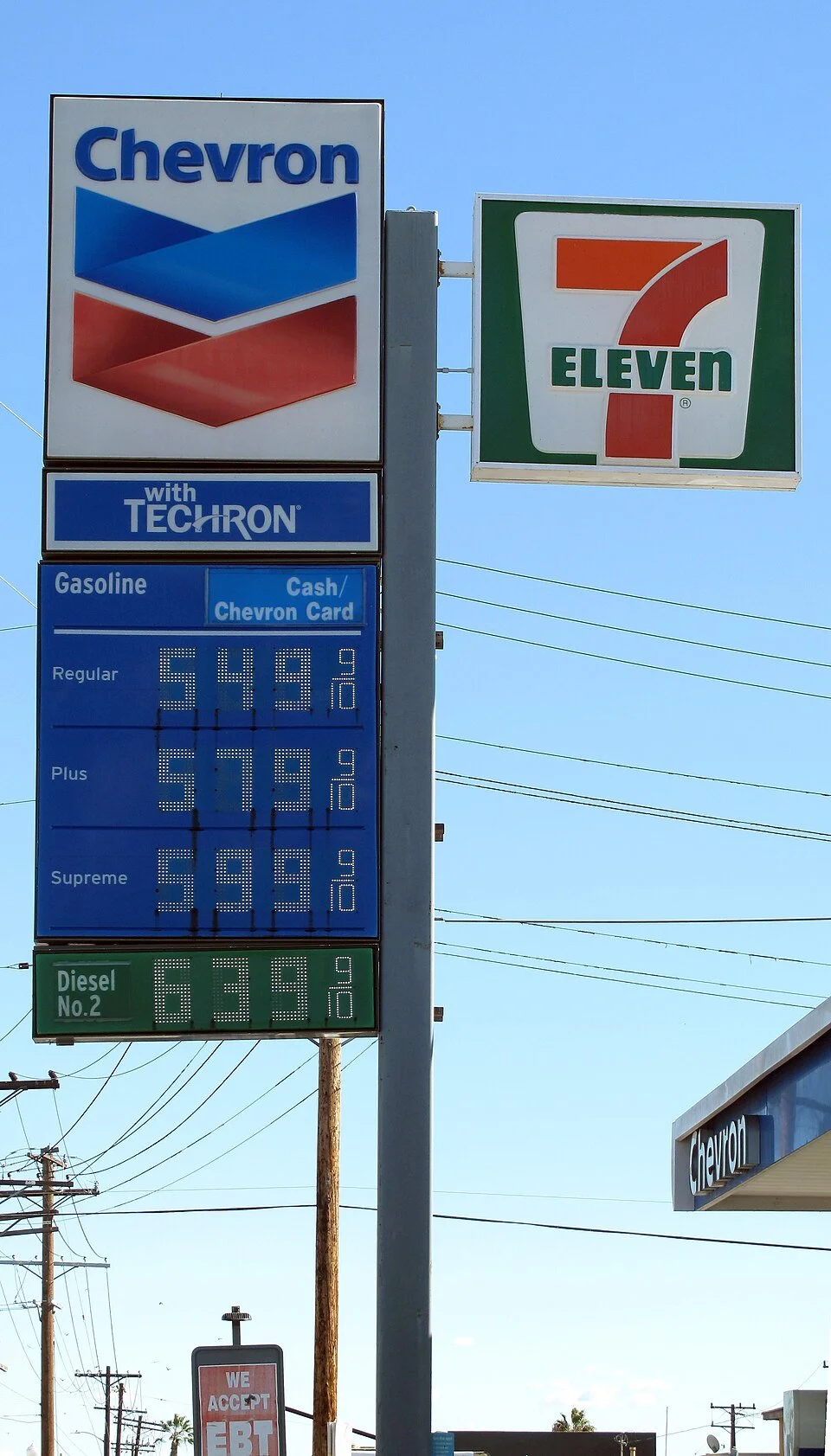
Between the shortage of lubricants and the 61% increase of diesel prices, U.S. trucking, transportation, and delivery found a wedge in its already existing cracks. A shortage in premium lubricants meant the possibility of factory and logistics machinery beginning to break down due to the use of oil that may have been insufficient but were either much cheaper or the only option available. Deregulation of the trucking industry had led to worse conditions, and with only 11% of companies having more than 6 trucks, margins could be thin, and it had been a race to the bottom. Rising costs of fuel, damaged machinery, and larger input trucks on an industry that put so much on its drivers could very well have seen cases of contracts going unclaimed due to it simply not being profitable.
These realities are echoed in the gig economy and other delivery services. Workers who rely on Uber, Lyft, GrubHub, or any similar services for an income already have had the total cost of gas and maintenance on their shoulders. Rising fuel and lubricant costs undoubtedly squeezed them out of what little they already receive. Grocery delivery services, particularly those that cater to rural areas, saw the possibility of routes cut due to broken equipment, while rising food costs unfolded the chance of decreases in orders, putting the burden squarely on the shoulders of workers. Let’s also not forget skyrocketing of jet fuel prices domestically, with Spirit Airlines being the first casualty.
Will the U.S. government increase oil production to avoid catastrophic failures across industries that were possible or still possible from future conflicts? Why would they, when the oil companies that line their pockets are seeing record profits from the crisis? U.S. oil exports haven't decreased—they have actually increased in the face of a supply shortage (3). With the price of oil per barrel more than doubling since the start of the war (recently reaching below $80 since March), and markets in Asia and Europe forced to ration fuel, U.S. oil companies made a killing. This fact goes from disgusting to terrifying once it is laid bare that demand is not lowering to meet supply. That is because efforts from the Trump administration—such as supplementing with reserves that were in danger of depletion, and public announcements that alluded to an uncertain peace—played a role in keeping the oil markets from panicking, allowing oil prices to remain higher than they should be. The monopolies were thus shielded, scoring a victory at the expense of our real wages.
At the same time, the rest of the world was taking massive precautions to preserve fuel. Countries in Europe, Asia, Africa, the Middle East, and Latin America were either rationing, promoting work from home, launching campaigns to decrease demand, or taking some combination of these measures, depending on the severity. China has dramatically reduced exports. The U.S. however, sold whatever it could to the highest bidder, with outright gasoline shortages being measured, not in months, but in weeks. Alongside the inevitable disruptions to the U.S. supply chain, here the people of the U.S. also paid the price, digging deep into their pockets to afford everyday goods.
The war in Iran was never in the interest of the workers. Yet it will be the workers that bear the consequences of it. The CWPUSA has insisted on the necessity of the workers and people to mobilize and demand an immediate end to the war in Iran, alongside the withdrawal of all military bases abroad, the cancellation of imperialist agreements, and beyond. As decisive economic destruction is already set in stone, and its severity is set to increase by the day, it’s clear we need a new economic system capable of adapting to massive supply shocks in a rational, planned manner that creates solutions for working people instead of a small class of wealthy parasites. We need to organize for revolution, to build a revolutionary party of the working class.
Sources:
1. Anguiano, Dani. “Uncertainty Looms as Last Oil Tanker from Middle East Arrives in California.” The Guardian, The Guardian, 6 May 2026, www.theguardian.com/usnews/2026/may/06/california-oil-tanker-middle-east.
2. Henry, Shawn. “Leaked AutoZone Memo Warns of Massive Motor Oil Shortages as Supply Chain Fears Spread.” Yahoo Autos, 18 May 2026, autos.yahoo.com/policyand-environment/articles/leaked-autozone-memo-warns-massive-150007361.html. Accessed 22 May 2026.
3. Kimball, Spencer. “U.S. Crude Oil Exports Surge to Record as Tankers Flock to Gulf Coast during Iran War.” CNBC, 3 May 2026, www.cnbc.com/amp/2026/05/03/uscrude-oil-exports-surge-to-record-as-tankers-flock-to-gulf-coast.html. Accessed 22 May 2026.